

Solarpunk is a forward-looking movement that blends sustainability, renewable energy, social justice, and optimistic futurism. It imagines a future where humanity has successfully addressed climate change, environmental degradation, and social inequality through cooperation, ethical technology, and thoughtful design.
Rather than portraying the future as bleak or authoritarian, solarpunk presents an alternative vision: cities powered by clean energy, communities designed around human well-being, and technology that supports life instead of exploiting it. Importantly, solarpunk is not just science fiction—it is also a philosophy for how we can act today.
The Origins of Solarpunk
The concept of solarpunk began emerging in the late 2000s and became more visible around 2012 through online communities, speculative fiction, and environmental design discussions. It developed as a response to two dominant narratives: dystopian futures shaped by collapse, and techno-optimism that ignored social and ecological consequences.
Solarpunk draws inspiration from earlier movements such as utopian science fiction, permaculture, environmental activism, and Afrofuturism. Writers like Ursula K. Le Guin and thinkers such as Buckminster Fuller influenced solarpunk’s emphasis on decentralized systems, ethical design, and human-scale technology.
Its growing popularity closely aligns with rising global concern about climate change and sustainability, particularly following international efforts like the Paris Climate Agreement and rapid advances in renewable energy technologies.
Core Principles of Solarpunk
At its heart, solarpunk is guided by a shared set of values rather than a strict ideology.
Renewable Energy as a Foundation
Solarpunk futures rely heavily on clean, renewable energy sources such as solar and wind power. This reflects real-world progress: according to the International Energy Agency, renewable energy now accounts for over 30 percent of global electricity generation. Solarpunk builds on this reality, imagining societies where energy is decentralized, accessible, and community-owned.
Harmony Between Humans and Nature
Unlike industrial models that treat nature as a resource to be extracted, solarpunk emphasizes coexistence. Cities and infrastructure are designed to integrate natural ecosystems rather than replace them. This includes green roofs, urban forests, restored waterways, and regenerative agriculture.
Community and Cooperation
Solarpunk places strong emphasis on collective well-being. Communities are envisioned as resilient networks where resources, knowledge, and responsibility are shared. This approach contrasts sharply with hyper-individualistic or profit-driven systems.
Ethical and Appropriate Technology
Technology in solarpunk is purposeful and transparent. Instead of surveillance-heavy or disposable systems, tools are designed to be repairable, understandable, and beneficial at a local level. Innovation serves people and ecosystems, not unchecked growth.
Solarpunk Compared to Other Future Visions
Solarpunk is often best understood in contrast to other speculative genres. While cyberpunk focuses on high-tech societies dominated by corporations and dystopian fiction emphasizes collapse or authoritarianism, solarpunk imagines a future shaped by regeneration and hope. Technology still plays a central role, but it is clean, ethical, and accessible rather than oppressive.
This distinction is important because solarpunk does not deny existing problems. It acknowledges climate crises and social challenges, but insists that constructive solutions are possible and worth pursuing.
Solarpunk Aesthetics and Design
Visually, solarpunk combines futuristic elements with organic forms and natural materials. Buildings are often covered in greenery, solar panels are integrated seamlessly into architecture, and public spaces are filled with light, plants, and water.
Architecturally, solarpunk aligns closely with real-world practices such as passive solar design, net-zero buildings, biophilic architecture, and climate-responsive urban planning. Cities like Copenhagen, Freiburg in Germany, and Curitiba in Brazil already reflect many solarpunk principles through renewable energy use, public transit, and human-centered urban design.
Real-World Examples of Solarpunk in Action
Solarpunk is not limited to art or fiction; many of its ideas are already being implemented.
Community-owned solar projects are expanding worldwide, allowing neighborhoods to generate and manage their own energy. In Germany, for example, citizens and cooperatives own a significant portion of renewable energy infrastructure, demonstrating decentralized and democratic energy production.
Urban agriculture is another strong example. Rooftop gardens, community farms, and food forests are transforming unused urban spaces into productive ecosystems that improve food security and reduce emissions.
Repair cafés and maker spaces also reflect solarpunk values. These community-driven initiatives encourage repairing rather than discarding items, reducing waste while sharing skills and strengthening social ties. Today, thousands of repair cafés operate across more than 40 countries.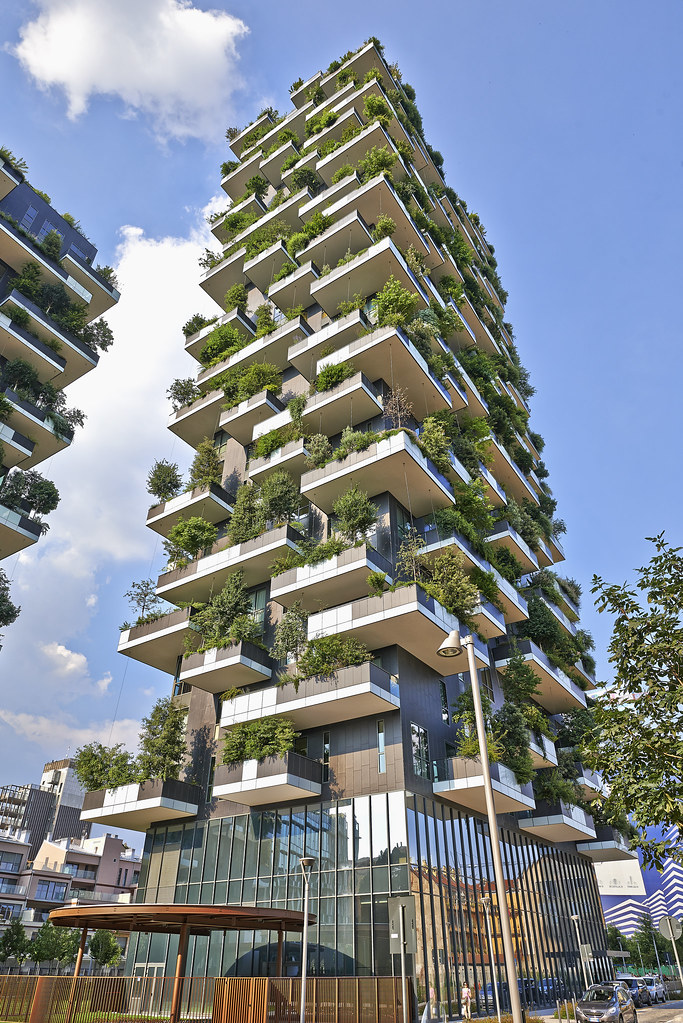
Solarpunk in Literature, Art, and Culture
Solarpunk has gained traction in speculative fiction, visual art, fashion, and digital media. In literature, solarpunk stories tend to focus on collective problem-solving rather than individual heroes. Works by authors such as Cory Doctorow and solarpunk-themed anthologies explore how communities adapt and thrive in sustainable futures.
In visual culture, solarpunk art challenges the idea that sustainability must look minimal or austere. Instead, it presents ecological living as vibrant, diverse, and deeply human.
Criticisms and Limitations of Solarpunk
Despite its appeal, solarpunk faces criticism. Some argue that it is overly idealistic or vague, especially when confronting entrenched political and economic systems. Others have pointed out that early solarpunk imagery often reflected Western perspectives and lacked cultural diversity.
In response, contemporary solarpunk creators increasingly center Indigenous knowledge, Global South innovations, and intersectional approaches to sustainability. As a living movement, solarpunk continues to evolve through critique and collaboration.
Why Solarpunk Matters Today
Climate anxiety is increasingly common, particularly among younger generations. Research published in The Lancet indicates that a majority of young people worldwide are deeply worried about climate change and its future impacts.
Solarpunk offers something rare in environmental discourse: hope grounded in action. It provides a framework for imagining progress without exploitation and encourages people to see sustainability not as sacrifice, but as an opportunity for better ways of living.
Applying Solarpunk Principles in Everyday Life
Living according to solarpunk values does not require futuristic cities or advanced technology. Small, practical steps—such as supporting renewable energy, growing food, repairing possessions, participating in local cooperatives, and advocating for greener policies—reflect the same principles at a personal scale.
Solarpunk ultimately invites people to rethink how they relate to energy, community, and the natural world.
Conclusion: Is Solarpunk the Future?
Solarpunk is not a prediction of what will happen; it is a vision of what could happen if humanity chooses cooperation, sustainability, and care over extraction and despair. By combining existing technologies with imaginative optimism, solarpunk reframes the future as something we actively build together.
In a world overwhelmed by crisis narratives, solarpunk reminds us that hope—when paired with action—is a powerful and necessary force.
The future does not have to be dystopian. It can be regenerative, inclusive, and solar-powered.